April 17, 2026
An exploration of the growing importance of well drilling amidst global water crises and its impact on sustainable water access.
Global Water Crisis Overview
Water scarcity is a pressing global issue affecting billions of people. Over the past few decades, the demand for water has risen sharply due to increasing populations and expanding industrial needs. Many regions across the world face significant shortages, leading to critical socio-economic challenges. This scarcity leads to severe consequences, especially in arid regions where water is a limited and precious resource. The importance of innovative solutions, such as groundwater access strategies, cannot be overstated in mitigating these challenges.
Countries in Africa and Asia are particularly vulnerable to water deficits. Due to the scarcity, there is an increased reliance on underground water sources. The challenges facing these regions underscore the importance of sustainable water supply initiatives that provide long-term solutions. These approaches have proven essential for delivering consistent and adequate access to water, even in difficult conditions. As the gap between supply and demand continues to widen, dependable infrastructure becomes more important than ever.
Changes in rainfall patterns and prolonged droughts further intensify the global water crisis. Existing infrastructure often cannot keep pace with rapidly growing needs. As conditions become more unpredictable, accessing groundwater becomes increasingly valuable. This approach helps communities maintain stability even when surface water is unreliable. Long-term water security depends on forward-thinking strategies that address both immediate shortages and future uncertainties.
Climate Change and Resource Impact
Climate change significantly affects global water resources by altering both availability and distribution. Rising temperatures and erratic weather patterns reduce surface water supplies and disrupt natural cycles. This has serious consequences for agriculture, drinking water systems, and ecosystems. As lakes and rivers shrink, communities must look for alternative sources to meet their needs. Groundwater systems offer a more stable option in many regions facing environmental challenges.
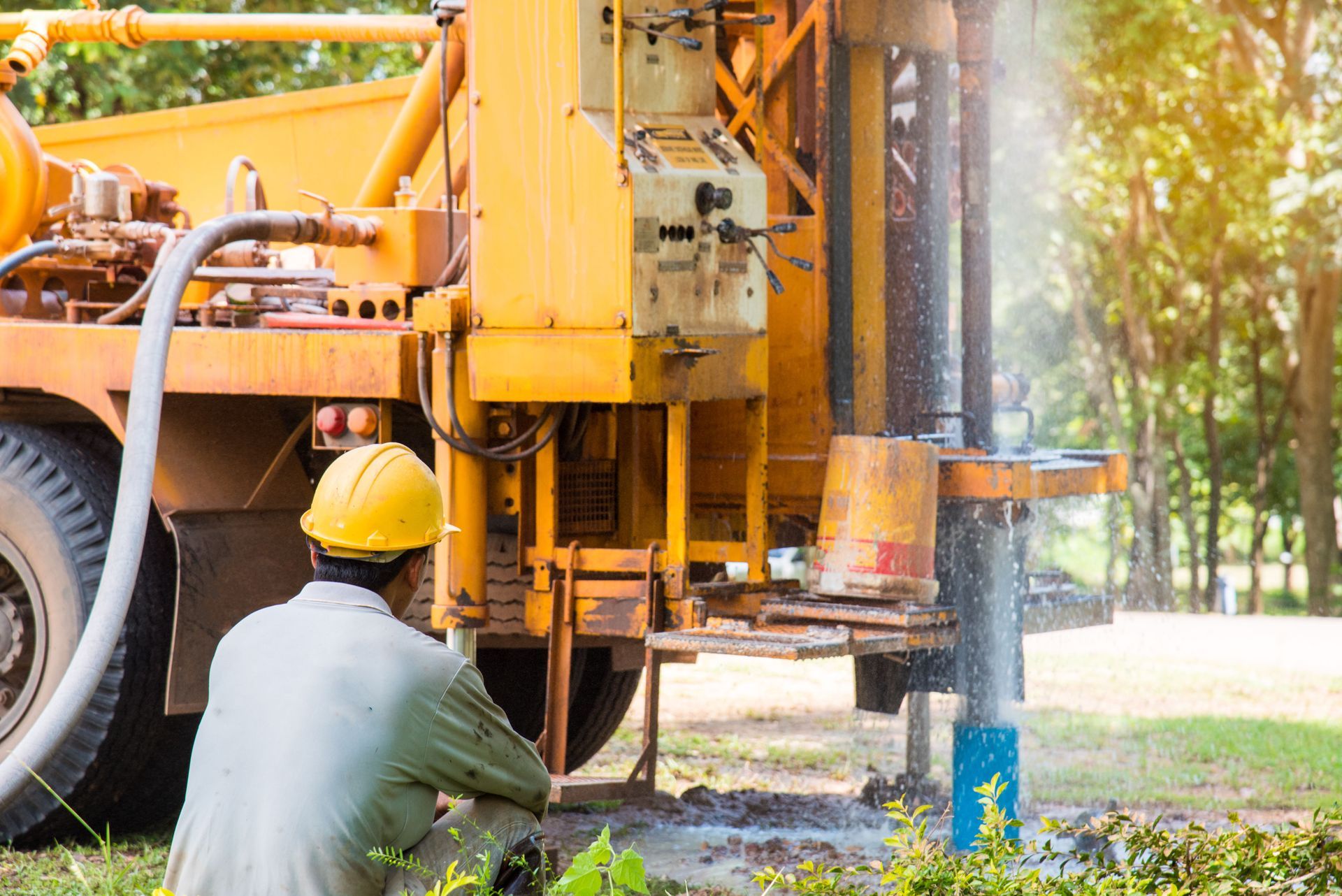
Many countries now face severe shortages due to shifting precipitation patterns. In these conditions, a well drilling service becomes an essential solution for accessing reliable water sources beneath the surface. These systems allow communities to draw from deep aquifers that are less affected by climate variability. This adaptability is crucial for both rural and urban populations that depend on consistent water supplies.
Long-term planning is necessary to address the ongoing impacts of climate change. Governments and organizations must invest in infrastructure that can withstand environmental stress. Sustainable groundwater solutions provide a dependable foundation for water management. By prioritizing resilience, communities can better prepare for uncertain future conditions.
Population Growth and Water Demand
As global populations continue to rise, the demand for fresh water increases at an unprecedented rate. Urbanization and agricultural expansion place additional pressure on already limited resources. Many cities struggle to provide adequate water through traditional systems alone. A well drilling service offers an effective alternative by unlocking access to underground reserves that can support growing populations. According to the US EPA, more than 23 million households in the United States rely on private wells for drinking water, highlighting the ongoing importance of well drilling for residential water supply.
Population growth also creates challenges for infrastructure development. Existing systems are often pushed beyond their limits, leading to inefficiencies and shortages. By incorporating groundwater solutions, communities can reduce strain on surface water supplies. This balanced approach ensures a more sustainable distribution of resources.
Meeting future water demands requires proactive strategies that consider both quantity and reliability. Groundwater access plays a central role in achieving this balance. With proper management, it can serve as a dependable resource for generations to come.
Water Pollution and Safe Access
Water pollution remains a significant barrier to safe and reliable access. Contamination from industrial waste, agricultural runoff, and poor sanitation affects millions of people worldwide. These pollutants often make surface water unsafe for consumption. A well drilling service helps communities bypass contaminated sources by accessing cleaner water stored in protected underground layers.
Pollution not only affects health but also impacts economic stability. Communities with unsafe water supplies face increased healthcare costs and reduced productivity. Access to clean groundwater can help alleviate these burdens by providing a safer alternative. Proper filtration and maintenance further enhance the quality of water obtained from wells.
Protecting water sources requires a combination of prevention and innovation. While reducing pollution is essential, alternative access methods provide immediate relief. Groundwater systems serve as a reliable backup when traditional sources are compromised.
Global Initiatives and Sustainable Solutions
International efforts to address water scarcity emphasize the importance of sustainable solutions. Organizations around the world collaborate to improve access to clean water through infrastructure development and resource management. A well drilling service aligns with these initiatives by offering scalable and practical solutions for underserved communities.
Programs such as the United Nations Sustainable Development Goals highlight the need for universal water access. Investments in groundwater infrastructure support these objectives by delivering measurable results. Collaborative efforts between governments, private organizations, and local communities are essential for long-term success.
Technological advancements further strengthen these initiatives by improving efficiency and reducing costs. As innovation continues, groundwater solutions become more accessible to regions that need them most. This collective approach ensures that progress is both sustainable and inclusive.
Advancements in Drilling Technology
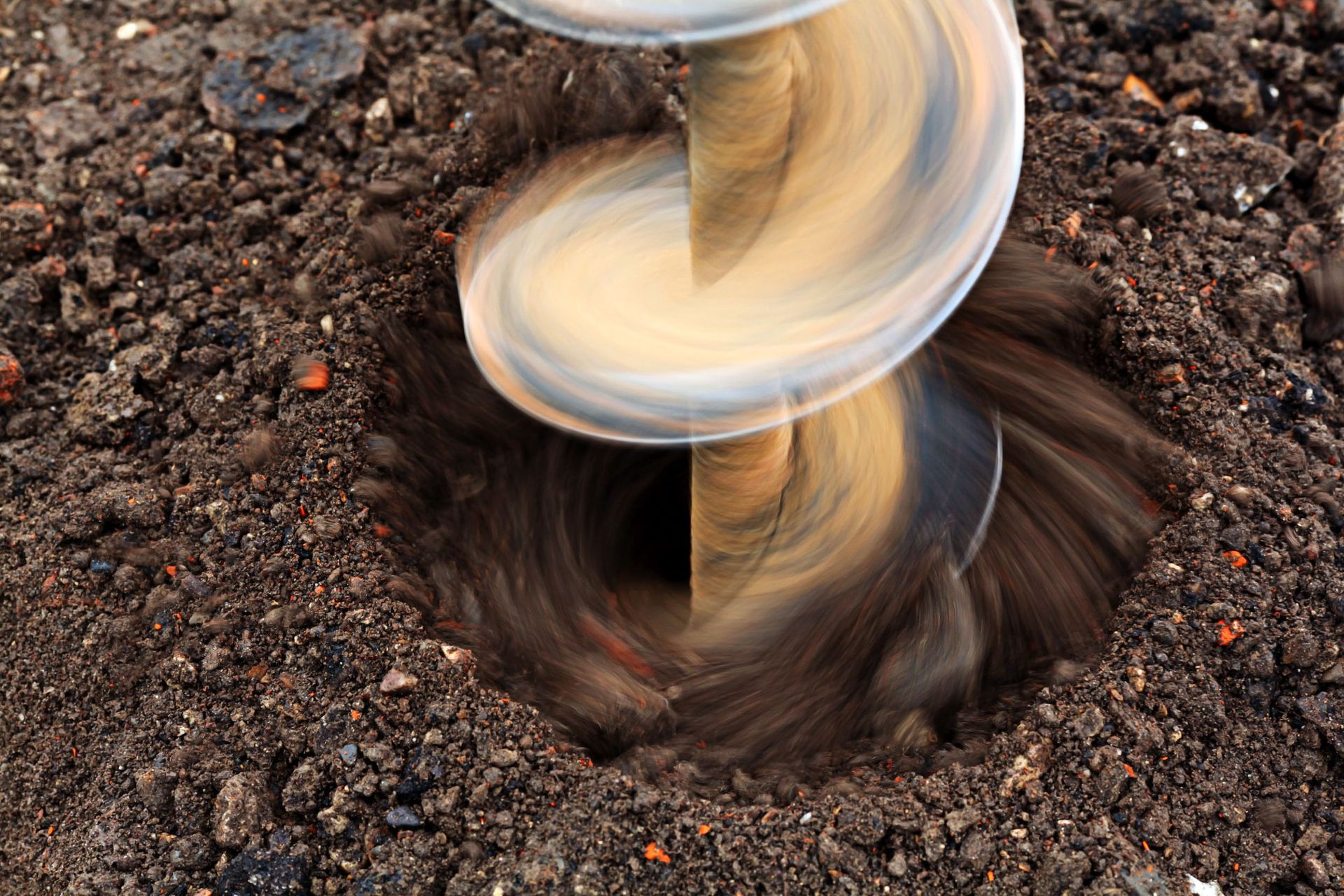
Modern drilling techniques have significantly improved the way groundwater is accessed. Advanced equipment allows for deeper and more precise drilling, increasing success rates and efficiency. A well drilling service that incorporates these technologies can deliver faster results while minimizing environmental impact.
Tools such as digital mapping and real-time monitoring systems enhance accuracy during the drilling process. These innovations help identify optimal locations for wells, ensuring better water quality and availability. Improved techniques also reduce the likelihood of costly errors, making projects more efficient overall.
As technology evolves, the industry continues to refine its methods. This ongoing progress supports global efforts to expand water access and improve reliability in challenging environments.
Innovations in Equipment and Efficiency
Recent developments in drilling equipment have transformed operations across the industry. Automated rigs and smart systems reduce labor requirements while increasing precision. A well drilling service that utilizes these advancements can complete projects more quickly and safely.
Real-time data collection allows operators to monitor conditions and adjust processes as needed. This level of control improves outcomes and reduces risks during drilling operations. Additionally, new materials and techniques help protect surrounding ecosystems, promoting environmental sustainability.
Efficiency improvements also lead to cost savings, making groundwater solutions more accessible. As equipment continues to advance, the benefits extend to both providers and communities.
Economic Benefits and Job Creation
The expansion of groundwater infrastructure creates significant economic opportunities. The demand for skilled workers in drilling, engineering, and maintenance continues to grow. A well drilling service supports job creation while addressing critical water needs.
Training programs play a key role in preparing individuals for careers in this field. These programs provide valuable skills that contribute to long-term employment and economic stability. As more projects are developed, local economies benefit from increased activity and investment.
The ripple effect extends beyond direct employment. Supporting industries such as manufacturing and logistics also experience growth. This interconnected impact strengthens communities and promotes sustainable development.
Local Economic Development
Access to reliable water sources enables communities to expand agricultural and industrial activities. This growth leads to increased productivity and improved living standards. A drilling service helps reduce reliance on inconsistent or expensive water sources, allowing resources to be allocated more effectively.
Investing in sustainable water access is both an economic and social priority. By focusing on long-term value, communities can secure reliable resources while supporting future growth and stability. Contact D & Y Well Drilling, Inc today and learn more about our well drilling services.