September 5, 2026
Water conservation remains a vital concern for property owners seeking sustainable and cost-effective resources. Relying on municipal supplies or outdated systems often leads to unnecessary waste, unexpected expenses, and environmental strain. Contracting a professional well drilling service provides a direct pathway toward managing local groundwater resources effectively. By utilizing tailored techniques and advanced geological assessments, modern specialists can extract clean groundwater while preserving the integrity of nearby subterranean environments. Investing in private groundwater development allows individuals to take total control over their usage, ultimately fostering long-term environmental sustainability while securing a dependable, highly efficient utility supply for decades to come.
Accessing Deep Aquifers With Precision
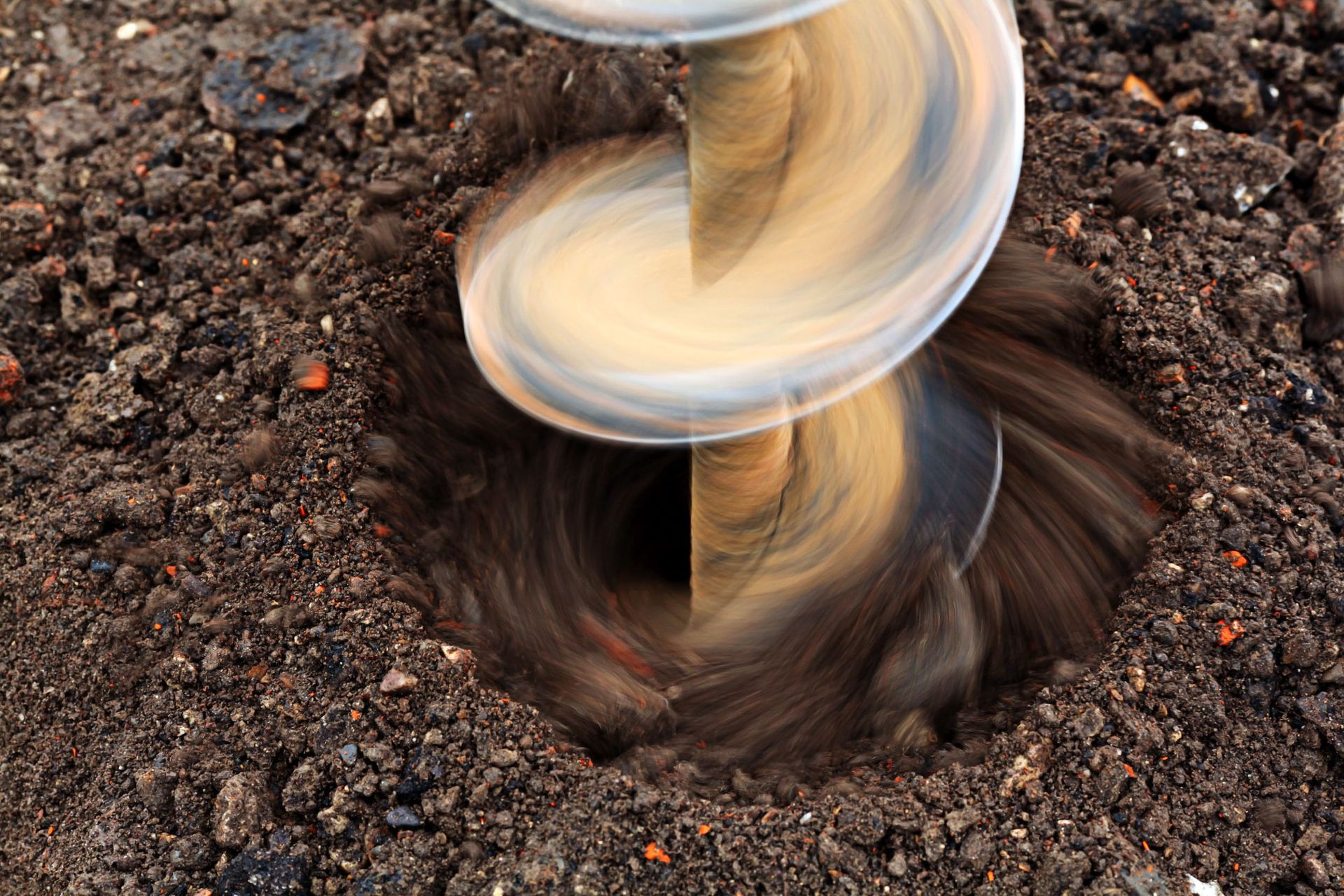
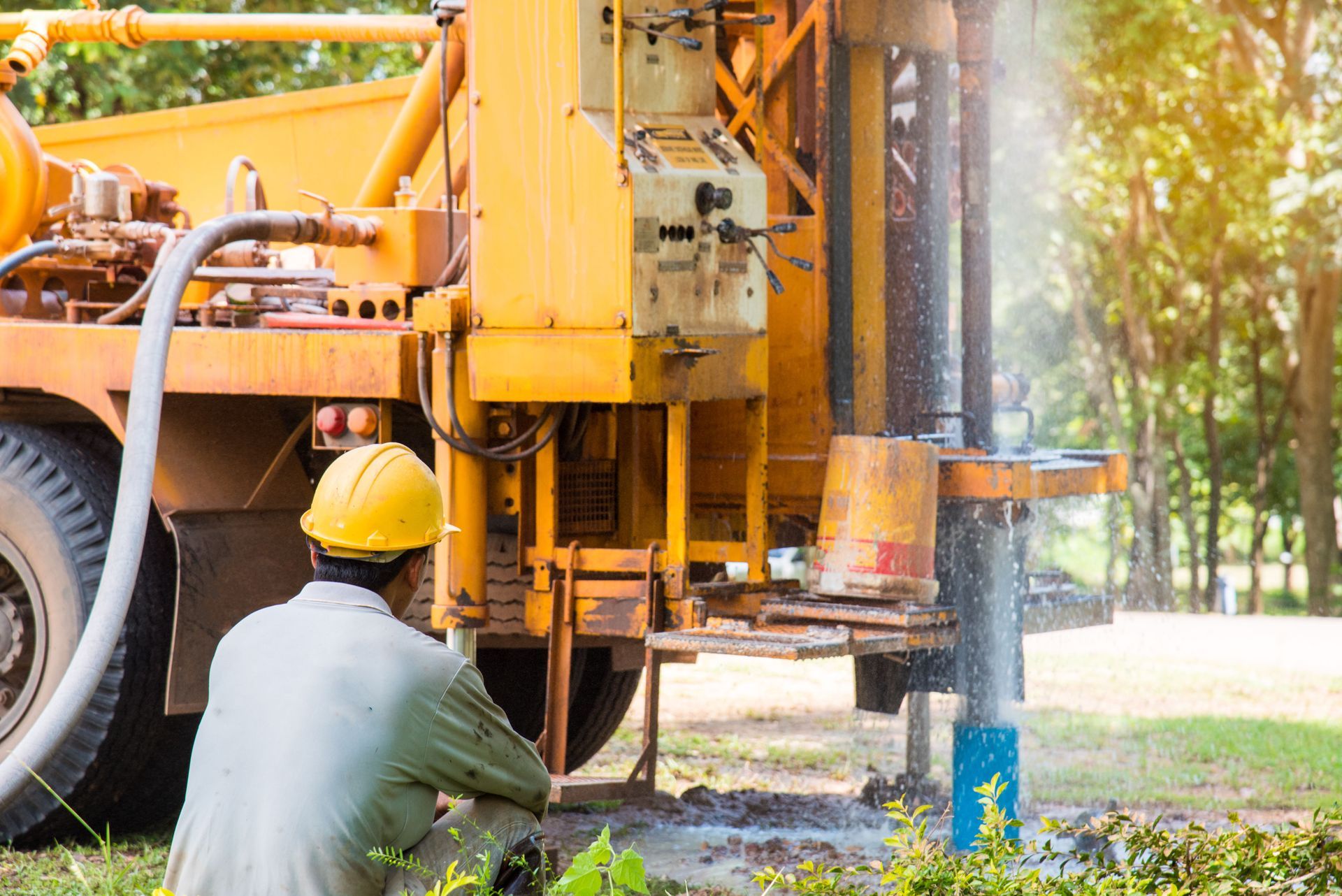
Reaching underlying aquifers requires sophisticated machinery designed to penetrate various strata of rock and soil. According to the U.S. Geological Survey, modern rotary or percussion drill rigs are capable of creating boreholes that reach depths greater than 1,000 feet. Tapping into these deep subterranean reservoirs with a well drilling service allows property owners to utilize cleaner, highly concentrated groundwater supplies that remain isolated from surface runoff and evaporation. Deeper sources typically offer consistent pressure and flow, minimizing the energy required to extract necessary volume. By reaching ideal subterranean pockets, private systems operate with minimal resource loss and maximize daily productivity across diverse local climate conditions.
Evaluating Hydrogeological Conditions for Optimal Siting
Determining the ideal location for extraction requires comprehensive spatial analysis and subterranean evaluation long before heavy work begins. Skilled hydrogeologists assess local soil permeability, bedrock formations, and regional aquifer recharge rates to prevent unnecessary disruption to the surrounding ecosystem. Identifying optimal placement prevents the extraction of sediment-heavy water, which frequently clogs machinery and accelerates mechanical wear. Strategic placement ensures that the extraction point draws from the most viable vein of groundwater, reducing the likelihood of early depletion. Thoughtful spatial planning ultimately enhances overall system longevity, optimizes operational performance, and limits environmental impact while maintaining consistent output for daily property operations.
Implementing Advanced Casing Techniques Through Proper Design
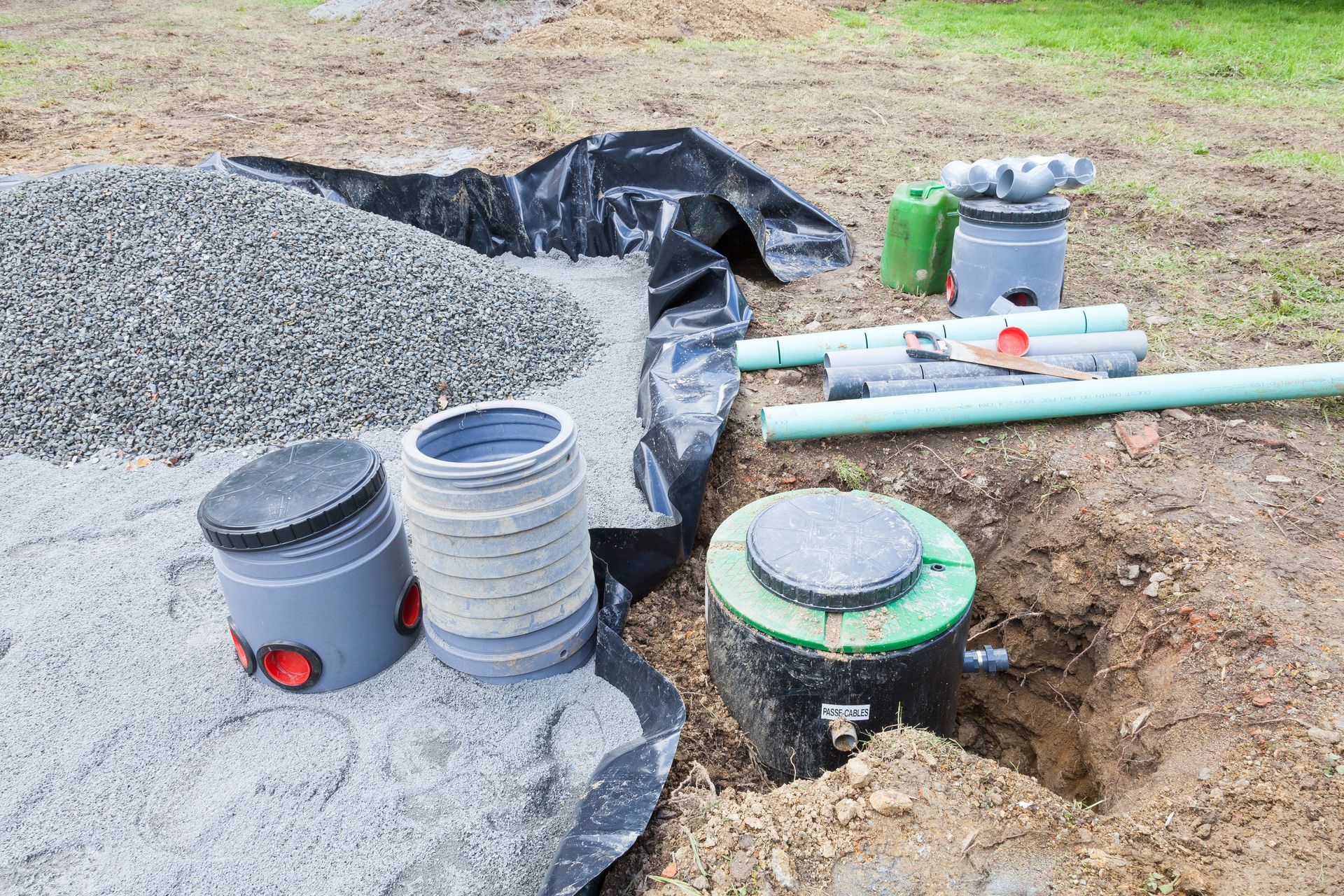
Protecting the internal structural integrity of a borehole is crucial for maintaining overall operational sustainability over time. Hiring a licensed well drilling service ensures that heavy-duty steel or high-grade PVC casings are installed correctly to prevent structural collapse and unwanted lateral seepage. Properly sealed casings block shallow contaminants, agricultural runoff, and surface debris from compromising the primary supply. This structural barrier maintains fluid purity, eliminating the need for aggressive chemical treatments or energy-intensive filtration processes down the line. Clean fluid transport reduces mechanical strain on pumping equipment, ensuring that every gallon moved through the system remains pristine, usable, and entirely unpolluted.
Maximizing Yield Performance From Aquifer Formations
Enhancing fluid recovery involves specialized development procedures that clear fine sediments and drilling mud from the surrounding rock matrix. Techniques like high-pressure surging and air jetting expand natural fractures within subterranean formations, allowing fluid to flow freely toward the intake zone. Increased hydraulic conductivity means the extraction equipment operates with less resistance, consuming far less electrical energy during peak demand periods. Maximizing intake efficiency keeps operational costs down while preventing stress on the local water table. Efficient recovery methods ensure that properties receive an abundant, steady supply without needlessly over-pumping or exhausting the underlying natural reservoir.
Preventing Contamination and Loss With Proper Seals
Securing the top of a borehole against external elements remains essential for preserving fluid safety and preventing structural degradation. Engaging a reliable well drilling service ensures the installation of sanitary surface seals and bentonite grout barriers around the upper borehole perimeter. These specialized seals prevent surface runoff, pesticides, and biological pollutants from trickling down into the pristine deep aquifer below. Protecting the resource at the entry point prevents expensive remediation efforts and eliminates the risk of abandoning contaminated sites. Maintaining pure conditions safeguards local public health while preserving valuable groundwater assets for uninterrupted, long-term daily utility.
Optimizing Pump System Placement for Home Use
Selecting the correct mechanical pump size and setting it at the appropriate depth prevents severe energy waste and premature equipment burnout. Pumping systems tailored to specific static groundwater levels operate within their peak efficiency curves, consuming significantly less power during daily cycles. Over-pumping an undersized or improperly positioned system generates turbulence, draws air into lines, and damages mechanical components. Proper calibration ensures smooth delivery, consistent line pressure, and reduced electric utility expenses. Tailoring mechanical specifications to actual hydrogeological output preserves the surrounding aquifer and prevents unnecessary power consumption across long-term residential and commercial applications.
Reducing Waste Through Sustainable Infrastructure Engineering
Integrating modern distribution components reduces localized fluid loss caused by hidden pipe leaks, friction loss, and pressure spikes. Employing a qualified well drilling service helps property owners design streamlined distribution networks that seamlessly connect extraction points directly to storage or point-of-use systems. Modern variable frequency drive controllers adjust pump speeds dynamically based on real-time demand, preventing high-pressure bursts that rupture supply lines. Controlled flow rates minimize friction within pipes, preserving mechanical energy and eliminating unnecessary fluid losses. Well-engineered infrastructure reduces overall operational waste, extends equipment lifespans, and maintains continuous, reliable delivery tailored to specific property needs.
Enhancing Agricultural Supply With Targeted Depth
Farming and agricultural operations demand massive, continuous fluid volumes to sustain crop health and livestock vitality throughout changing seasons. Deep extraction points provide agriculturalists with dedicated resources that remain unaffected by seasonal droughts or surface evaporation trends. Capturing consistent, high-volume flow directly from deep bedrock layers allows farmers to implement precision drip irrigation systems with predictable pressure profiles. Efficient distribution prevents over-watering, minimizes soil erosion, and reduces evaporation losses common with traditional spray setups. Dedicated deep extraction empowers agricultural managers to optimize crop yields while preserving surrounding soil moisture and avoiding strain on public infrastructure.
Maintaining Resource Capacity From Detailed Analysis
Monitoring aquifer behavior through routine performance testing provides critical data for preserving long-term resource viability. Partnering with an experienced well drilling service allows owners to conduct drawdown tests, yield measurements, and recovery rate checks periodically. These diagnostic evaluations reveal subtle changes in subterranean static fluid levels, signaling potential issues before catastrophic system failures occur. Early identification of dropping water tables allows operators to adjust consumption habits, re-pipe depth levels, or clean intake screens proactively. Regular monitoring prevents over-extraction, protects delicate geological structures, and ensures that private extraction systems maintain peak operating performance throughout their operational lifespan.
Upgrading Legacy Systems for Maximum Conservation
Replacing deteriorating, antique groundwater systems with modern, precision-engineered boreholes immediately addresses chronic energy and fluid waste. Older systems often suffer from cracked casings, corroded intake screens, and inefficient jet pumps that consume excessive power while yielding minimal volume. Constructing a modern extraction facility restores optimal flow dynamics and eliminates subterranean fluid leaks that waste precious natural resources. Modern materials resist chemical corrosion and mineral build-up, ensuring clean, unobstructed flow pathways. Upgrading outdated infrastructure significantly lowers monthly power bills, reduces frequent repair costs, and ensures that groundwater resources are harvested with maximum environmental and financial efficiency.
Investing in professionally constructed groundwater extraction systems represents a forward-thinking approach to environmental stewardship and operational independence. By leveraging advanced geological surveying, proper casing methods, and precise pump calibrations, property owners can significantly reduce resource waste and operational overhead. Modern extraction methodologies protect subterranean reserves while delivering clean, dependable, and highly efficient supplies for residential, commercial, and agricultural applications. Choosing smart engineering over outdated methods preserves vital subterranean ecosystems for future generations. Developing private groundwater assets with precision ensures long-term utility security, lower energy costs, and a sustainable foundation for responsible resource management across any property. Are you seeking a dependable and professional well drilling service in North Carolina, South Carolina, Virginia, and Tennessee? D & Y Well Drilling, Inc has you covered! Call today to learn more information or to schedule an appointment with us.