February 2, 2026
Drilling a private well can be one of the most rewarding infrastructure upgrades a property owner makes, providing long-term access to groundwater and reducing dependence on municipal systems. According to Moving.com, over 13 million U.S. households rely on well water for their primary water supply, making it a major part of rural and semi-rural living across the country. Still, the process is far more complex than renting equipment and digging a hole—it requires regulatory compliance, geological analysis, technical expertise, and ongoing maintenance planning. Many homeowners and landowners turn to local well drilling companies early in the process to avoid costly mistakes and ensure the project is built for decades of dependable service.
Before drilling begins, it is important to understand the essential factors involved, including legal requirements, site evaluation, equipment selection, budgeting, and long-term upkeep. Each of these elements plays a critical role in determining whether a well will deliver reliable water access while remaining compliant with local regulations and environmental standards. Taking time to evaluate the full scope of the project early on helps property owners avoid costly surprises, delays, and design choices that could affect performance for years to come.
Research Legal and Regulatory Requirements
Before drilling begins, property owners must understand the legal framework governing groundwater use and construction activities. Permits are often required at county or state levels, and these applications typically address setback distances, casing depth, and environmental safeguards. Failing to secure approvals can lead to fines, shutdown orders, or even the forced abandonment of a completed well, making compliance a non-negotiable step in the planning phase.
Zoning laws and water-rights rules further complicate matters, particularly in multi-state service regions like North Carolina, South Carolina, Virginia, and Tennessee. Water ownership laws differ by jurisdiction, and owning land does not always guarantee unrestricted access to the groundwater beneath it. Environmental impact reviews may also be mandated, especially near wetlands, agricultural operations, or protected habitats. Working alongside attorneys, regulators, and experienced local well drilling companies helps ensure paperwork is handled properly and that your project proceeds without legal setbacks.
Evaluate Site Suitability and Geology
A well’s success depends heavily on what lies beneath the surface. Geological surveys reveal rock layers, soil profiles, and aquifer locations, all of which influence where drilling should occur and how deep the borehole must go. Without this information, property owners risk sinking money into an unproductive site that fails to deliver sufficient water volume.
Water-table measurements add another layer of insight by showing how groundwater levels fluctuate seasonally, which is critical for sizing pumps and determining casing length. Soil composition also matters, since clay, sand, and fractured rock transmit water differently and present varying contamination risks. Aquifer characteristics such as recharge rate and storage capacity help guide sustainable extraction so that water remains available long into the future. Experienced local well drilling companies combine these data points to recommend locations that balance yield, safety, and long-term reliability.
Choose the Appropriate Well Type
Selecting the right well design is one of the most consequential decisions in the entire project. Shallow wells can be economical in areas with high water tables but are more vulnerable to surface contamination and drought conditions. Deep wells typically access protected aquifers and offer more consistent water quality, though they require greater upfront investment.
Construction methods also vary. Dug wells are created through excavation and lining, driven wells rely on pipes forced into loose soils, and drilled wells use heavy rotary or percussion rigs to reach significant depths. Each option has advantages and limitations tied directly to geology and intended water use. Cost comparisons should consider not only construction but also long-term maintenance, energy consumption, and potential treatment needs. With so many variables at play, homeowners often rely on Careful preparation and informed decision-making at every stage help protect both the investment itself and the long-term availability of clean, reliable groundwater., or industrial demands.
Understand Drilling Processes and Equipment
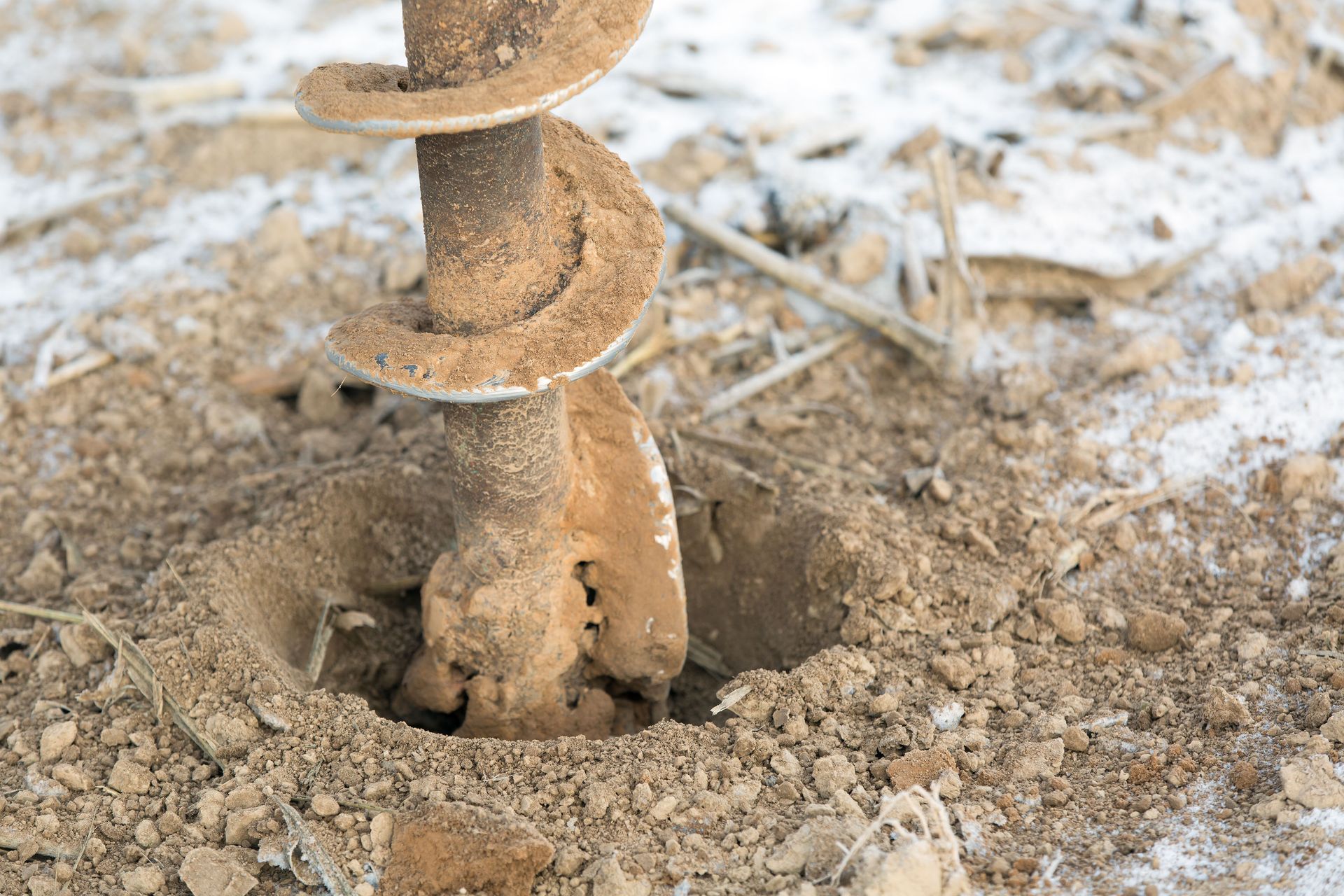
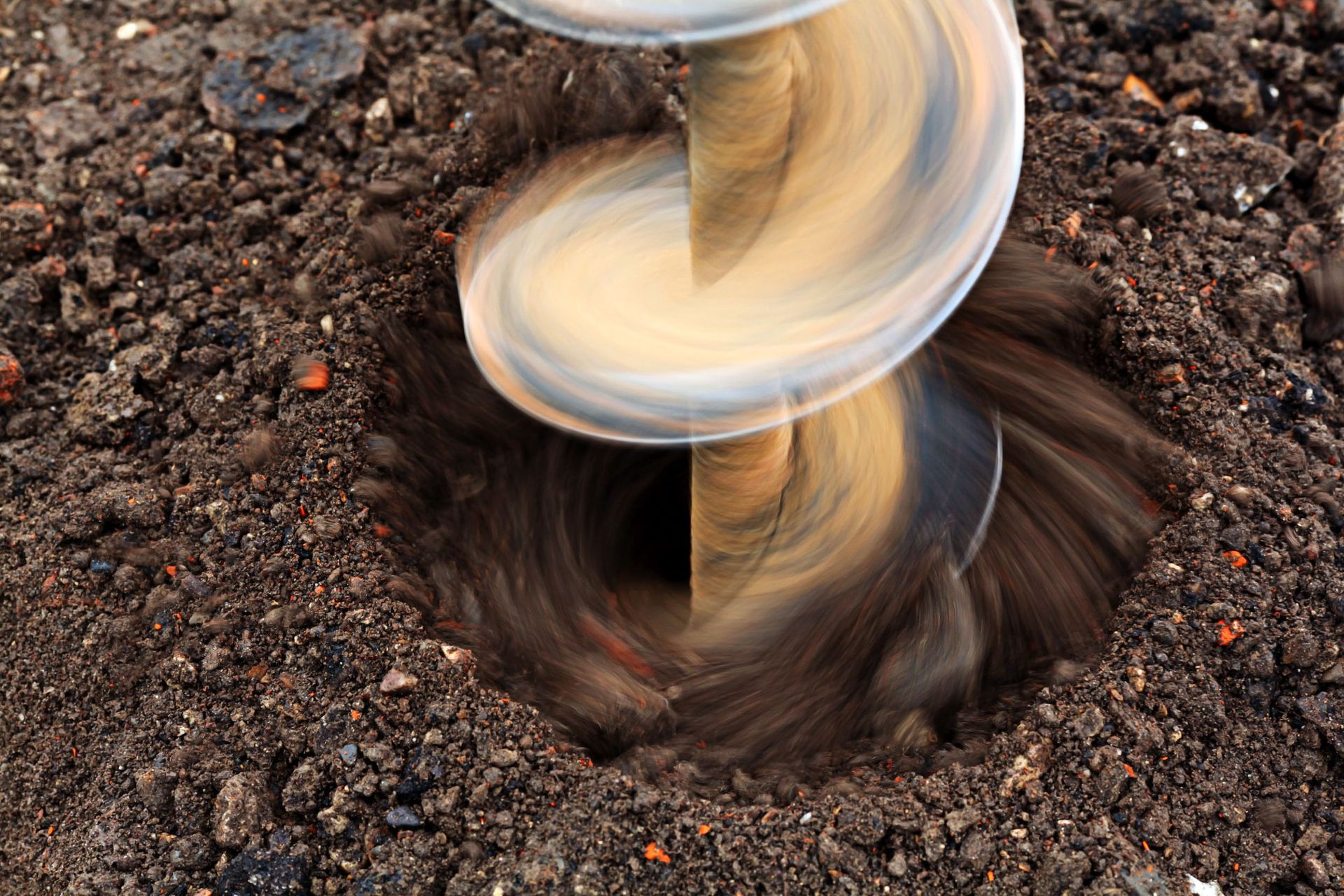
Modern well construction relies on specialized machinery and proven techniques to bore through soil and rock efficiently. Rotary rigs, down-the-hole hammers, and cable-tool systems are selected based on subsurface conditions, desired depth, and casing requirements. Choosing the wrong equipment can slow progress, increase wear on machinery, or compromise the structural integrity of the finished well.
Different drilling techniques offer unique benefits: cable tools excel in dense formations, rotary drilling speeds through mixed strata, and hammer systems penetrate hard rock with precision. Safety protocols are just as important as technical choices, including personal protective equipment, site containment measures, and emergency response plans. Hiring seasoned professionals familiar with regional geology and regulations allows local well drilling companies to overcome unexpected challenges such as fractured bedrock or collapsing soils while keeping projects on schedule.
Plan for Costs and Financing
Well-drilling budgets encompass far more than the borehole itself. Permitting fees, geological surveys, mobilization of heavy equipment, pump installation, electrical hookups, and testing services all factor into the final tally. Establishing a detailed estimate early helps prevent sticker shock later and gives property owners realistic expectations about timelines and cash flow.
Financing options may include personal loans, agricultural programs, grants, or payment plans offered through contractors. Understanding interest rates, repayment schedules, and eligibility requirements ensures that funding decisions support long-term financial stability. While the upfront expense can be substantial, wells often deliver lasting economic benefits through reduced utility bills, water independence, and higher property values. Building a contingency fund adds another layer of protection against unforeseen complications, something local well drilling companies frequently recommend during project planning.
Maintain and Monitor the System
Once a well is operational, ongoing care becomes the key to preserving water quality and mechanical reliability. Routine inspections check for worn components, sediment buildup, or declining pump performance before minor issues escalate into major repairs. Scheduled servicing also helps extend the life of expensive equipment and maintain steady water pressure for homes or businesses.
Water testing should occur regularly to detect bacteria, minerals, or chemical contaminants, particularly after heavy rains, flooding, or nearby construction activity. Changes in taste, color, or odor often signal problems that deserve immediate attention. Upgrading aging pumps, installing monitoring sensors, or adding filtration systems can dramatically improve efficiency and safety. By staying proactive, property owners protect both their investment and the health of everyone relying on the supply, an approach strongly encouraged by
local well drilling companies with long-term client relationships.
Drilling a well is a major undertaking that blends regulatory navigation, geological science, engineering skill, and financial planning into a single project. From evaluating land conditions and choosing the right construction method to budgeting carefully and maintaining the finished system, each step plays a role in ensuring a dependable water source for decades to come. Careful preparation and informed decision-making at every stage help protect both the investment itself and the long-term availability of clean, reliable groundwater.
Property owners across NC, SC, VA, and TN who want residential, commercial, industrial, or agricultural well drilling and pump services don’t have to navigate the process alone. If you are preparing for a new well or need expert guidance on upgrades and maintenance, reach out to D & Y Well Drilling, Inc today. Our team is proud to serve the region with comprehensive solutions designed to protect your property, your water quality, and your long-term peace of mind.